
Sony Pictures Imageworks Expands Vancouver Studio

Oscar-winning visual effects/digital character animation company, Sony Pictures Imageworks,reports it will expand its Vancouver, British Columbia capacity by opening an additional 16,000 square feet of space in the Yaletown area for work on the current productions “Men In Black 3”, “The Amazing Spider-Man”, “Oz The Great and Powerful” and Sony Pictures Animation’s “Hotel Transylvania”, currently in production.
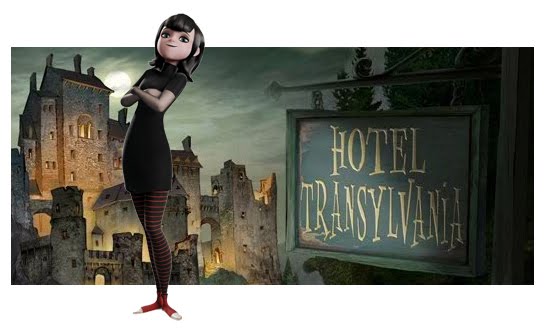
Imageworks growing presence builds on the Vancouver studio’s experience with ‘The Smurfs’ production for Sony Pictures Animation and the successful integration of the Canadian team with Imageworks’ Culver City workforce and infrastructure. The new office effectively doubles the floor space. The two Vancouver locations, two blocks apart, are fully connected to Imageworks’ Culver City data center. Imageworks Canada will occupy a total of 32,000 square feet of office space when the new location comes online in March…”
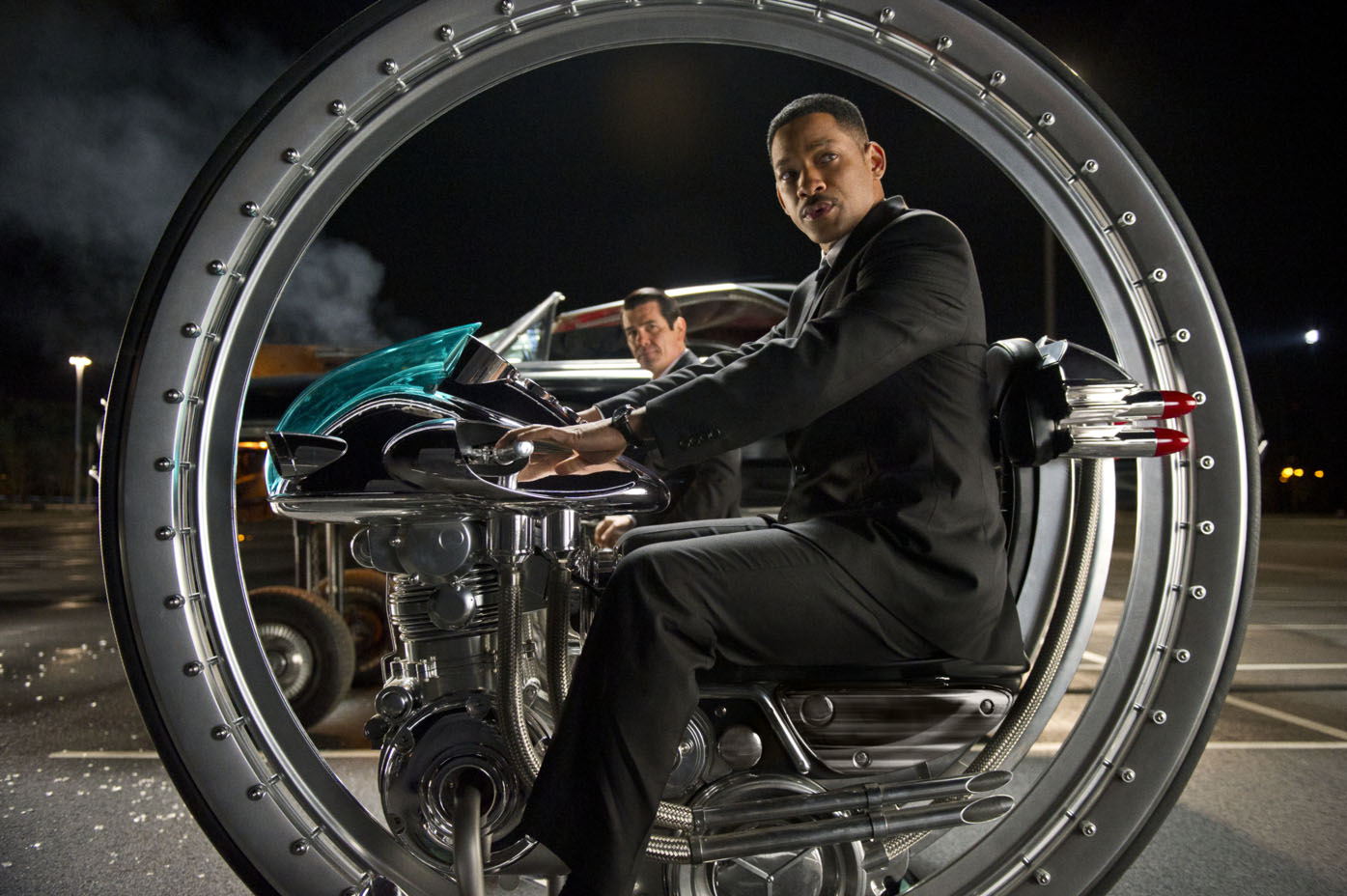
“Vancouver today is a vibrant digital production center that offers a strong talent base and significant government incentives vital to our ability to deliver exceptional quality and value to our clients,” said Randy Lake, executive vice-president and general manager of Sony Pictures Imageworks.

“Imageworks Canada here in Vancouver is a true extension of the Culver City studio,” says Rick Mischel, Imageworks’ Senior Vice President of Satellite Production, who is based in Vancouver. “Video conference, large-screen viewing suites that mirror the set-up in Culver City, and data transfer connect the artists here directly to our home base.”
“To have Sony Pictures Imageworks Canada expand their studio space by an additional 16,000 square feet is a great vote of confidence in Vancouver,” said City of Vancouver Mayor Gregor Robertson. “We’ve worked hard to make our city a global destination for digital media talent, and are thrilled that Imageworks is putting down deeper roots in Vancouver.”

More Cuts at Sony Pictures – This Time 3D Glasses

Sony Pictures issued a heads-up Tuesday to exhibitors and theatergoers: Next summer, its 3D pics will be Bring Your Own Glasses!

So Sir Howard, do the TV glasses work for the theatre?

The studio announced plans to stop subsidizing 3D glasses next May with “Men in Black III” and “The Amazing Spider-Man,” bucking the trend that Disney started in 2005 when it provided them outright for “Chicken Little.”

Exhibitors, already under siege from shrinking theatrical windows, are expected to push back against Sony’s 3D-glasses maneuver, just as they did in 2009 when 20th Century Fox tried to get outof paying for specs for “Ice Age: Dawn of the Dinosaurs.” (Forced to relent, Fox ultimately wound up footing the bill.)

But if Sony holds its ground and other studios follow suit, exhibitors will not only have to cover the costs somehow, they’ll also be forced to sort out sales and distribution logistics. Exhibitors may have to follow the standard set overseas, where moviegoers are encouraged to buy their own glasses and reuse them, in some cases paying a lower ticket price upon return visits.

For instance, Dolby controls most of the Japanese 3D market, and in March, the company started offering reusable 3D glasses for $12 per pair. In Europe, RealD sells its reusable glasses at concession stands or the ticket window for about 1 Euro, saving auds the repeated expense.

In any case, the costs will in some way trickle down to theatergoers already wary of 3D surcharges, as evidenced by the steady erosion of 3D market share over this past summer.

The bring-your-own-glasses model poses a logistical headache for U.S. audiences, as varying 3D systems require different eyewear. What’s more, foreign exhibitors don’t pay as much to studios, giving them more flexibility with ticket prices.

Tension over the glasses question has mounted throughout the rise of 3D, as studios have increasingly balked at the cost. At 50¢ to $1 per ticket, eyewear often means millions of dollars in additional distribution costs.

But the news is good news for one facet of the biz: the companies who manufacture custom and high-end 3D glasses.

As of now, RealD controls about 90% of the 3D space in North America and contracts with the majors to provide most of the 3D frames, a dynamic that’s likely to change as auds seek more durable alternatives to the freebies they’re used to getting.

I wonder if the Sony 3D Television glasses work at the theatres?  Is this really a marketing ploy..?